The Role You Play: Family, Healing & the Dance of Becoming...
June 17, 2025
Full Title: " The Role You Play: Family Healing & the Dance of Becoming Whole"
Written By: LaTreece Ross, M. Ed., LPC
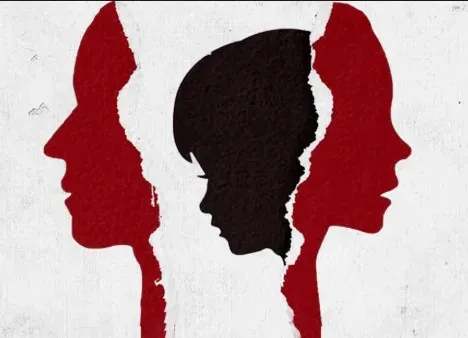
Long before “therapy talk” filled our social media feeds and family group chats, a wise and compassionate pioneer named Virginia Satir—affectionately known as the Mother of Family Therapy—began teaching the world something powerful: that families are systems, and within those systems, we all play roles. Sometimes nurturing. Sometimes protective. And sometimes… well, a little dysfunctional. But all of them made sense at the time.
If families were plays, most of us didn’t audition—we were cast before we could even talk. And those roles? They’re not just tied to awkward reunions or the smell of Sunday dinner—they’re patterns that quietly shape how we show up in our friendships, our careers, and our intimate relationships. Today, we're pulling back the curtain on those roles and offering you a warm seat in the front row of your healing journey. Because the show can’t go on like this forever.
Let’s take a soulful stroll through the dysfunctional family cast, and then we’ll talk healing, hope, and how to rewrite the script.
The Cast of the Dysfunctional Family Theater:
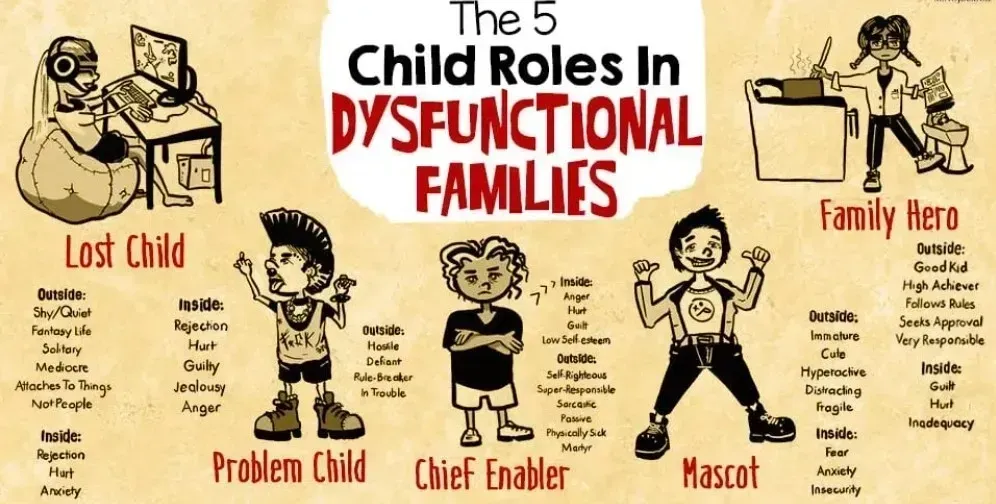
1. The Hero (The Responsible Overachiever)
As a Child:
The A+ student, team captain, rule-follower, and emotional glue. They earned their worth through performance and perfection—trying to make up for the family’s dysfunction by being “the good one.”
As an Adult:
Often high-functioning, successful, and… utterly exhausted. Heroes become the dependable coworker, over-functioning partner, or overcommitted parent. Their to-do list has a to-do list. They struggle to relax, fear failure, and might see self-worth as performance-based. Burnout? Frequent. Therapy? Necessary. Asking for help? Uncomfortable, but life-changing.
Affirmation:
“I am valuable even when I am not achieving. My worth is not measured by productivity.”
2. The Scapegoat (The Rebel Truth-Teller)
As a Child:
Blamed for the family's problems, they often acted out, challenged authority, or voiced the unspoken truth—making them the emotional lightning rod.
As an Adult:
Authentic, resilient, and often deeply aware of injustice—but may struggle with trust, authority, and self-worth. They may rebel in relationships, distrust leadership at work, or vacillate between self-doubt and defiance. Underneath the edge is often a sensitive soul with a fierce sense of loyalty and justice. They’re the adults who either become the changemakers—or check out entirely if healing doesn’t happen.
Affirmation: “I am not the problem. I am the truth-teller and the breaker of cycles.”
3. The Lost Child (The Invisible Observer)
As a Child:
Often quiet and easy to overlook, they learned early on to stay out of the way. They didn’t ask for much, not because they didn’t have needs, but because they found safety in being low-maintenance. To cope with the chaos around them, they found refuge in books, video games, creativity, or imaginary worlds—spaces where they could feel in control, understood, or simply at peace. Their quiet strength often went unnoticed, but it helped them survive in an environment that may not have always felt safe or stable.
As an Adult:
Highly independent and naturally introspective, these individuals often find comfort in solitude and may need extra time to open up emotionally. Intimacy can feel vulnerable or unfamiliar, and frequent social demands may leave them feeling emotionally depleted. In structured environments like the workplace, they may shy away from attention or feel overwhelmed, not due to a lack of ability, but because of a preference for autonomy and low-pressure settings. They are often deep thinkers—quietly processing the world around them—though they may sometimes lose touch with their own emotional needs. When asked how they feel, they may need space and time to reflect before responding.
Affirmation: “My voice matters. My presence is powerful. I deserve to be seen.”
4. The Mascot (The Comic Relief)
As a Child:
The master of lightening the mood, they instinctively knew how to shift the energy in the room. When tension grew, they met it with humor, playfulness, or spontaneous joy—sometimes cracking a joke, being silly, or becoming the family’s unofficial entertainer. Laughter became both their shield and their gift to others—a way to protect themselves from discomfort and to bring a sense of relief to those around them. Beneath the humor was often a tender heart, longing for connection and peace in the midst of chaos.
As an Adult:
Charming and quick-witted, they often light up the room with their humor and presence—becoming the life of the party even when they’re carrying quiet storms inside. Humor can be their way of navigating the world, gently deflecting from vulnerability or emotional discomfort. While they bring joy to others, they may quietly struggle with anxiety, emotional exhaustion, or a fear of not being taken seriously. Conflict and deeper emotions can feel overwhelming, so they often choose to keep things light. Beneath the smiles is a thoughtful soul who longs for acceptance—not just for their humor, but for their heart, too.
Affirmation: “I am more than the laugh I bring. My joy and my pain both deserve space.”
5. The Caretaker/Enabler (The Peacekeeper)
As a Child:
Often seen as the fixer, mediator, possibly the unofficial family therapist; this individual took on the unspoken role of keeping the peace. They frequently found themselves managing the emotions of others, working to smooth over tension and maintain harmony. Over time, they may have become the emotional anchor of the household—absorbing the feelings and struggles of those around them, often without space to process their own.
As an Adult:
Deeply empathic and giving, they have a generous heart that often leads them to go above and beyond for others. In both personal and professional relationships, they may find fulfillment in being needed—sometimes mistaking this for their sense of self-worth. Their natural inclination to care can lead to patterns of overextending themselves, which may result in emotional exhaustion or burnout, especially in helping professions. Whether at home or at work, they consistently prioritize the needs of others, often putting their own well-being on hold in the process.
Affirmation: “I am responsible for my healing, not others' happiness. I choose me.” Peace outside cannot come at the cost of peace within.”
6. The Golden Child
As a Child:
The Golden Child is placed on a pedestal and praised for achievements, appearance, or obedience. They become the “perfect one,” the pride of the family, and often learn to suppress emotions or imperfections. They are loved for what they do, not necessarily who they are.
As an Adult:
Individuals identified as “Golden Children” are often shaped by environments that place high expectations on performance and behavior. While they may outwardly present as confident, competent, or even perfectionistic, they frequently experience internalized pressure and underlying insecurity. These individuals may have difficulty expressing vulnerability or coping with perceived failure. In interpersonal relationships, they may prioritize external validation or admiration over authentic connection. Professionally, they often function as high performers, but their drive for perfection can lead to increased stress, emotional dysregulation, and burnout over time.
Affirmation: "I am not a role—I am a person. I release the need to be perfect.”
7. The Rescuer
As a Child:
The Rescuer feels responsible for saving others—be it a parent, sibling, or the whole family unit. This child is always stepping in, offering help, and trying to fix what feels broken. Their self-worth becomes tied to being needed or useful.
As an Adult:
Adult Rescuers often assume responsibility for the emotional needs and struggles of others, frequently stepping into roles that involve caretaking or supporting individuals they perceive as needing help. They may be drawn to relationships where their identity is tied to being the helper or fixer. While their efforts appear selfless, they often do so at the expense of their own emotional healing and self-care. Setting boundaries can feel guilt-inducing, and saying “no” may be experienced as a personal failure or betrayal. Additionally, asking for support themselves can feel deeply uncomfortable or even impossible, reinforcing patterns of emotional suppression and over functioning.
Affirmation: “I don’t have to save others to be loved. I rescue myself now.”
8. The Addict
As a Child:
The Addict becomes the family’s “identified patient,” often acting out the pain and dysfunction no one else acknowledges. Whether through substances, food, or risky behaviors, they carry the burden of expressing the unspoken. They’re often judged instead of supported.
As an Adult:
Adults in this role may continue struggling with addiction, but many also become powerful voices of healing and recovery. They may experience cycles of relapse or isolation, yet often show remarkable insight and resilience as they begin their healing journey. They were never the family’s disease—only the symptom others didn’t want to see.
Affirmation: “I am not my addiction. I am worthy of love, healing, and recovery.”
From Surviving to Thriving: Steps Toward Healing Your Role

1. Name it.
“What was I taught I had to be in my family?” Naming the role is the first step to reclaiming your truth.
2. Notice the ripple.
How do these roles show up in my casual, romantic, or work relationships?
3. Honor your survival.
These roles once kept you safe. Thank them. Then let them go. Healing isn’t betrayal—it’s evolution.
4. Set boundaries.
Say it with me: “No is a full sentence.” You’re not responsible for everyone’s emotional well-being. Let them hold their own stuff.
5. Reparent yourself.
Offer yourself what your inner child needed. Nurture. Praise. Time. Stillness.
Find your people.
6.Community heals what family sometimes harms. Whether through therapy, support groups, or soul friends, find safe spaces to grow.
Reflection Questions for Your Healing Journey
- What role(s) did I play in my family?
- How did that role protect me? How did it limit me?
- How do these roles show up in my casual, romantic, or work relationships?
- Do I feel guilty when I set boundaries or say “no”?
- What parts of myself have I silenced to keep the peace?
- What does “freedom” look like for me today?
- What do I need to feel seen, loved, and safe—without performing a role?
Parting Words, With Love
Listen, it is not your fault that you were cast into a role before you had a choice. But now, as a grown, breathing, beautiful being—you get to choose. You get to rewrite. You get to heal.
In the words of Maya Angelou, “We may encounter many defeats but we must not be defeated.” You were not born to play a role. You were born to live a life.
So rise, not as the Hero, the Scapegoat, or the Mascot. Rise as yourself. Unapologetically. Softly. Boldly.
And if you need a therapist to walk with you while you learn your lines again, I’ll be right here—supporting you from the front row.
With warmth & wisdom
LaTreece Ross, M.Ed., LPC
LaTreece Ross Counseling Services
www.latreecerosscounselingservices.org