
"Wait, What Was I Saying?" — Understanding ADHD....
March 5, 2025
Full Title: "Wait, What Was I Saying?" - Understanding ADHD with Humor, Heart, and Practical Strategies
Written By: LaTreece Ross, M.Ed., LPC
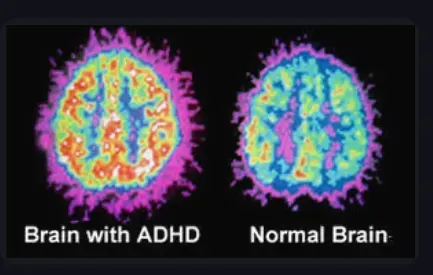
Ever walked into a room and immediately forgotten why you’re there?
Started a passionate new hobby — only to abandon it three days later for an even shinier one?
Found yourself blurting out random comments in a meeting, and then thinking, "Oops, did I just say that out loud?"
If any of that sounds familiar, you might be part of the amazing, creative, slightly-chaotic club called ADHD.
Attention-Deficit/Hyperactivity Disorder (ADHD) isn't just about being "hyper" or "forgetful." It's a complex neurological condition that affects focus, impulsivity, emotional regulation, and often self-esteem. And if you're navigating life with ADHD (whether you know it yet or not), understanding your brain is the first step toward thriving — not just surviving.
Let’s break it down with honesty, heart, and a little humor (because laughing beats crying any day):
Meet the Three Types of ADHD: Your Brain’s Personalized Adventure
1. Inattentive Type (formerly called ADD)
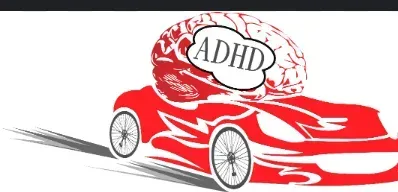
If you find yourself daydreaming, zoning out mid-conversation, or losing track of where you put your keys (again), inattentive ADHD might be your brain’s operating mode.
Common symptoms include:
- Forgetting details (names, dates, your password for the 15th time...)
- Getting easily distracted (SQUIRREL!)
- Trouble organizing tasks or managing time
- Missing instructions or deadlines
- Avoiding tasks that require long mental effort (Looking at you, 37-page reports.)
2. Hyperactive-Impulsive Type
If you often feel "driven by a motor," have trouble sitting still, or find yourself interrupting conversations without meaning to, hyperactive-impulsive ADHD might be at play.
Common symptoms include:
- Blurting out answers or comments
- Interrupting conversations
- Restlessness (tapping, fidgeting, getting up a million times)
- Feeling constantly on-the-go
3. Combined Type (The Double Feature)
Some people experience a blend of both inattentive and hyperactive-impulsive symptoms. It's like a double feature of racing thoughts, forgotten details, and high energy all rolled into one.
ADHD: Nature and Nurture’s Handiwork

Common symptoms include:
Science shows that ADHD is highly genetic. If you have it, there’s a good chance someone in your family tree does too — even if they never had an official diagnosis.
But environment also plays a role:
- Chaotic households
- Inconsistent routines
- Exposure to extensive stress
can worsen symptoms — not cause ADHD, but definitely amplify it.
Think of it this way:
Nature plants the seed.
Nurture waters — or sometimes over-fertilizes — it
Why Inattention and Impulsivity Matter
Managing focus and impulses isn’t just a personal struggle; it impacts all areas of life:
At Work:
Missed deadlines, forgotten meetings, zoning out during important conversations — it can all hurt career growth and confidence.
At School:
Struggling to complete assignments, following multi-step instructions, or staying focused in class can lead to frustration and being unfairly labeled as “lazy” or “unmotivated.”
With Family:
Forgetting important events, interrupting conversations, emotional outbursts, or difficulty following through on commitments can strain relationships with loved ones.
When ADHD goes untreated, the frustration builds — and often leads to:
- Anxiety
- Depression
- Low self-esteem
- Relationship problems
- Chronic underachievement at school or work
But Here's the Good News: Your Brain Is Brilliant — and You Can Thrive
ADHD isn’t a character flaw or a personal failing. It’s a neurological difference — and with the right support, you can absolutely learn to work with your brain, not against it.
Here’s how to get started:
Get a Proper Diagnosis
If you suspect you might have ADHD, it’s important to see a licensed professional like a primary care physician, psychologist, or psychiatrist. (TikTok quizzes are fun, but not diagnostic tools.)
Consider Medication
Medication can be a game-changer for many people by improving focus, impulse control, and emotional regulation. It's not for everyone, but it’s worth a conversation with your provider.
Try Therapy
- Cognitive Behavioral Therapy (CBT) for ADHD helps challenge negative thought patterns and build practical coping skills.
- Coaching can also be extremely helpful for learning time management, organization, and goal-setting strategies.
Make Lifestyle Adjustments
- Set reminders — lots of them.
- Break tasks into smaller, manageable pieces.
- Use planners, apps, alarms, sticky notes — whatever works for you.
- Create routines to reduce decision fatigue.
Practice Mindfulness and Emotional Regulation
Mindfulness can help you become more aware of thoughts and impulses — building that crucial pause between thought and action.
Create ADHD-Friendly Environments
- Declutter to minimize distractions.
- Use visual aids like calendars, labels, and lists.
- Set up reward systems to celebrate completed tasks.
- (Yes, bribing yourself with a fancy coffee counts.)
Focus on Your Strengths
People with ADHD are often:
- Exceptionally creative
- Deeply empathetic
- Highly spontaneous
- Incredibly resilient
You don’t have to "fix" yourself — you can embrace who you are, while building skills that help you live your best life.
Final Thoughts: ADHD Is Not the End — Stay Calm....It's just the Beginning!
You’re not broken. You’re not lazy. You’re not a failure.
You are wired differently — and that difference can be a powerful gift when understood and supported.
Living with ADHD means learning to laugh at your own quirks, advocate for your needs, and celebrate every small victory — even if it’s just remembering where you put your wallet today.
You deserve to feel confident, capable, and empowered to create a life you love — unique brilliance and all.
So go ahead — start building your strategies, embracing your strengths, and believing in your incredible potential.
And if you forget what you were doing halfway through?
Stay calm, smile, and start again — because you’ve got this.